

How Paint Protection Film Helps Maintain Tesla Resale Value
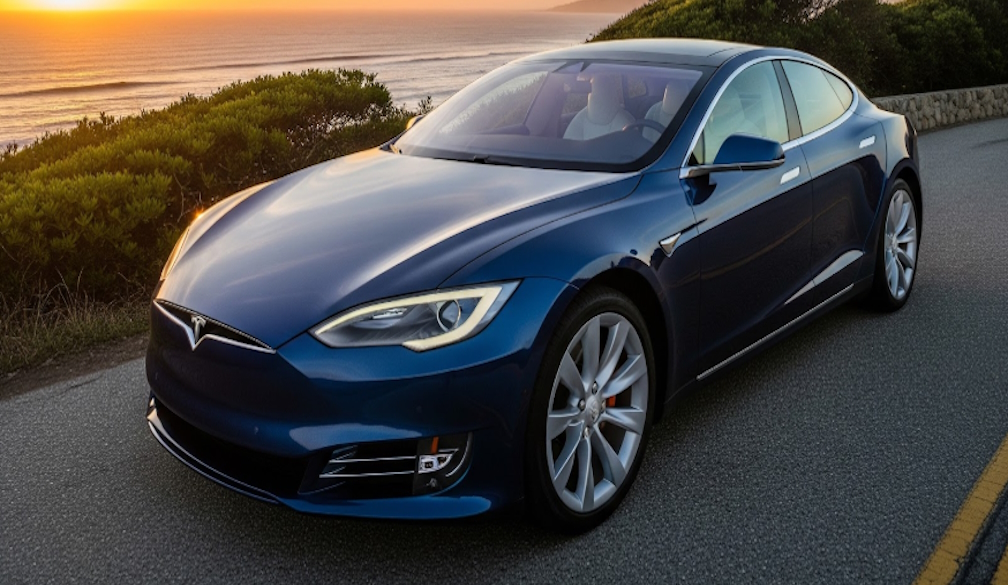
For a Tesla owner, the vehicle is more than just a means of transport; it is a sophisticated piece of technology and a significant financial asset. However, Tesla vehicles are frequently noted by detailing experts for having "soft" paintwork—a result of the environmentally friendly, water-based painting processes used in modern manufacturing. This characteristic makes them particularly susceptible to stone chips, road debris, and swirl marks.
In the secondary market, where buyers are increasingly discerning, the condition of a vehicle's exterior is a primary driver of valuation. Implementing a strategy for tesla paint protection through Paint Protection Film (PPF) is one of the most effective ways to ensure your car retains its "showroom" appeal and, consequently, its maximum resale value.
1. Defending Against the "Soft Paint" Vulnerability
Tesla’s factory paint is often thinner than that of traditional European luxury brands, with some measurements showing clear coat thickness at the lower end of industry standards. This thinness means that even minor road gravel can penetrate the paint layer, exposing the primer or metal beneath.
Paint Protection Film acts as a sacrificial, high-impact barrier. Made from advanced thermoplastic polyurethane, it is engineered to absorb the kinetic energy of flying debris. By preventing the initial chip from ever reaching the factory paint, you maintain the "original" finish—a detail that high-end used car buyers and dealerships value significantly more than a resprayed panel.
2. The Power of Self-Healing Technology
One of the most impressive features of modern PPF is its ability to "heal" itself. Surface-level scratches and swirl marks, which usually occur during washing or from light contact with bushes, can make a car look aged and neglected. In a standard paint job, these require professional paint correction (polishing) to remove, which further thins the clear coat.
High-quality PPF features a top-layer elastomeric polymer that returns to its original shape when exposed to heat, such as the sun or warm water. This ensures that the Tesla remains free of the microscopic "spiderweb" scratches that dull the paint's gloss over time. A car that looks perpetually new after three years of ownership will always command a premium over a similar model with visible surface wear.
3. Preserving "Original" Paint Status
In the world of vehicle appraisals, "original paint" is a gold standard. When a car has been involved in minor repairs or has had its bumper resprayed due to stone chips, it can raise red flags for potential buyers regarding the vehicle's history. Even the best aftermarket respray can sometimes show slight colour mismatches or "orange peel" textures that a trained eye will notice.
By using PPF to shield the factory finish, you eliminate the need for cosmetic resprays. When it comes time to sell, you can provide proof that the vehicle has been protected since delivery, offering the buyer peace of mind that the paint beneath the film is untouched and exactly as it left the Gigafactory.
4. Preventing Environmental and Chemical Damage
Beyond physical impacts, Tesla exteriors face constant chemical threats. Bird droppings, tree sap, and road salts are highly acidic and can etch into the clear coat within hours if left in the sun. This etching often leaves permanent "shadows" in the paint.
PPF is chemically resistant, providing a non-porous shield that prevents these contaminants from reaching the paint. For an EV that might spend a lot of time at outdoor charging stations or parked in public areas, this layer of "invisible armour" is essential for preventing permanent stains that would otherwise require aggressive—and expensive—detailing to rectify before a sale.
A Strategic Investment for the Future
The cost of installing quality paint protection is often a fraction of the value lost through "diminished value" at trade-in. Dealerships and private buyers alike look for reasons to negotiate a price down; a hood peppered with white stone chips is the easiest leverage they have.
By investing in professional protection early in the ownership cycle, you are essentially pre-paying for the car's future condition. It transitions the exterior from an ongoing maintenance liability into a preserved asset, ensuring that when the time comes to upgrade to a newer model, your Tesla stands out as the highest-quality option on the market.
References
- Australian Bureau of Statistics (ABS): Trends in vehicle ownership and residual value across major brands.
- ARPANSA (Australian Radiation Protection and Nuclear Safety Agency): Impact of solar radiation and UV exposure on polymers and coatings.
- Queensland Department of Transport: Guidelines on vehicle modifications and exterior maintenance standards.
- Society of Automotive Engineers (SAE): Research on thermoplastic polyurethane (TPU) performance in automotive applications.

 Hashtag.net.au


