

Emergency Pipe Repairs: What to Do Before Help Arrives
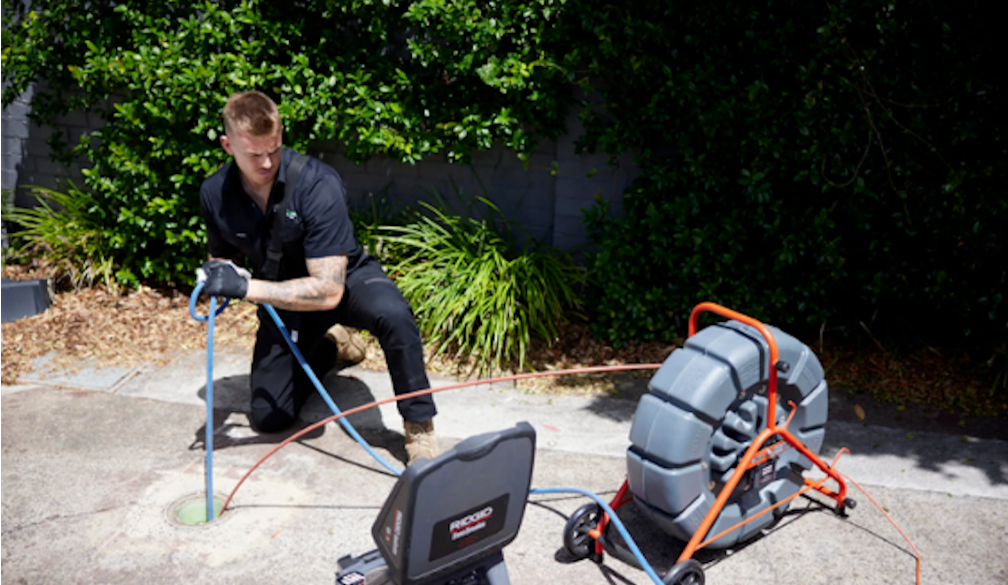
Plumbing emergencies can happen without warning, and when they do, quick action is critical to minimise damage. Many homeowners rely on emergency pipe repair in Sydney by Pipe Relining Solutions to resolve urgent issues, but what you do before professionals arrive can make a significant difference.
Burst pipes, major leaks, or blocked drains can lead to water damage within minutes. Staying calm and following the right steps helps protect your property, reduce repair costs, and ensure a safer environment until expert help arrives.
Stay Calm and Assess the Situation
The first step in any plumbing emergency is to stay calm and quickly assess the situation. Panic often leads to rushed decisions, which can worsen the problem or create safety risks. Identifying whether you are dealing with a burst pipe, leak, or blockage helps you take the right actions immediately.
Look for signs such as sudden water pooling, unusual noises in pipes, or a drop in water pressure. Understanding the source of the issue allows you to act more effectively. A clear assessment also helps when explaining the situation to a professional plumber, ensuring they arrive prepared with the right tools and solutions.
Shut Off the Water Supply Immediately
Stopping the flow of water is the most important step in any pipe emergency. Locate your main water shut-off valve and turn it off as quickly as possible. This prevents further water from entering the damaged pipe and reduces the risk of flooding and structural damage.
If the issue is isolated, such as a leaking tap or toilet, you may be able to shut off the water supply at a local valve instead. Acting quickly at this stage can save thousands of dollars in repair costs and significantly limit the extent of damage to your home. It is also a good idea to familiarise yourself with the location of your shut-off valve before an emergency occurs. Being prepared can make a major difference when time is critical.
Turn Off Electricity if Needed
Water and electricity are a dangerous combination, so safety must be a priority. If water is leaking near electrical outlets, appliances, or wiring, turn off the electricity at the main switchboard to prevent the risk of electric shock.
Avoid touching any electrical devices or switches if they are wet or surrounded by water. If the situation feels unsafe, it is best to leave the area and wait for professionals to handle it. Taking these precautions helps protect both you and your property during the emergency.
Contain the Water and Limit Damage
Once the water supply is turned off, the next step is to control and contain any remaining water. Use towels, buckets, and mops to soak up excess water and prevent it from spreading to other areas of your home.
Move furniture, electronics, and valuable items away from the affected area as quickly as possible. If large items cannot be moved, cover them with waterproof materials to minimise damage. Acting quickly at this stage helps prevent long-term issues such as mould growth and structural damage. You can also improve ventilation by opening windows or using fans to speed up the drying process. Reducing moisture levels early helps protect your home and belongings.
Drain Remaining Water from Pipes
Even after shutting off the main water supply, there is still water left in the pipes. Draining this water helps reduce pressure and limits further leakage. To do this, turn on all taps in your home, starting with the lowest point and working upwards.
Flush toilets and run both hot and cold taps to empty the system as much as possible. This step not only reduces ongoing leaks but also makes it easier for the plumber to begin repairs when they arrive. If your hot water system is affected, turning it off and draining it can help prevent additional damage. Taking these steps ensures the plumbing system is stabilised while waiting for professional assistance.
Apply Temporary Fixes Where Safe
Temporary fixes can help reduce the impact of a leak while waiting for professional repairs. For small leaks, you can use plumber’s tape, rubber, or cloth to wrap the damaged section and slow the flow of water.
For larger leaks, placing a bucket underneath the pipe or using a clamp can help contain the issue. These measures are only short-term solutions and should not replace proper repairs carried out by licensed professionals. Avoid attempting complex repairs unless you have the necessary skills and tools. Incorrect fixes can cause further damage and increase repair costs.
Contact an Emergency Plumbing Professional
After taking immediate action to control the situation, contact a professional plumber as soon as possible. Providing clear information about the issue helps them prepare and respond more efficiently.
Be ready to explain the location of the problem, the severity of the leak, and the steps you have already taken. This allows the plumber to bring the right equipment and complete the repair faster. Ensuring easy access to the affected area can also speed up the process. Clear pathways and remove obstacles so the plumber can begin work immediately upon arrival.
Preventing Future Pipe Emergencies
Once the immediate issue has been resolved, it is important to take steps to prevent future plumbing emergencies. Regular inspections and maintenance can help identify potential problems before they become serious.
Some simple preventative measures include:
- Checking for leaks or corrosion in visible pipes
- Monitoring water pressure levels
- Avoiding chemical drain cleaners that can damage pipes
- Scheduling routine plumbing inspections
Being proactive with maintenance helps reduce the risk of unexpected failures and extends the lifespan of your plumbing system.
Conclusion
Plumbing emergencies can be stressful, but knowing what to do before help arrives can significantly reduce damage and costs. Acting quickly to shut off water, ensure safety, and contain the issue helps protect your property and makes repairs more efficient.
By staying prepared and responding calmly, you can manage emergencies with confidence. Working with experienced professionals ensures that the problem is resolved properly, giving you peace of mind and long-term reliability for your plumbing system.

 Hashtag.net.au


