

Why Decanter Centrifuge And Used Separators Are Essential For Efficient Industrial Separation Processes
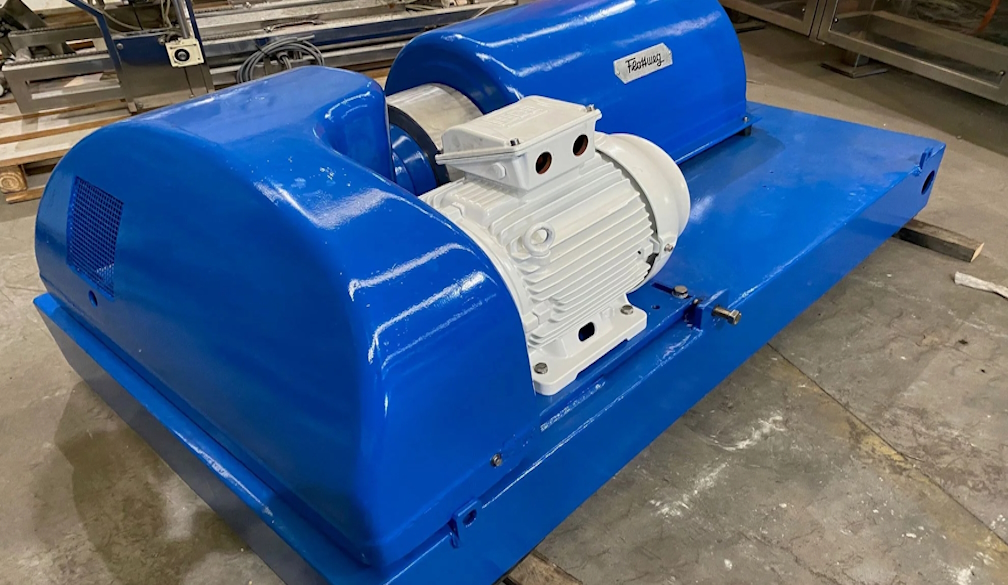
Efficient separation of solids and liquids is a critical requirement in many industrial processes, which is why a decanter centrifuge is widely used across sectors that demand precision, reliability, and continuous operation. Industries such as wastewater treatment, food processing, chemical manufacturing, and mining rely on separation equipment to ensure product quality, regulatory compliance, and operational efficiency. Without effective separation systems, managing materials and maintaining consistent output becomes significantly more challenging.
For businesses looking to optimise costs while maintaining performance, exploring used separators for sale offers a practical solution. These systems, when properly evaluated and maintained, can deliver strong performance while reducing capital expenditure, making them a viable option for both new and expanding operations.
Understanding The Role Of Decanter Centrifuges In Industrial Processes
A decanter centrifuge operates by using centrifugal force to separate solid particles from liquids. The process involves rotating a mixture at high speeds, causing denser solids to move outward while lighter liquids remain closer to the centre. This separation method is highly efficient and allows for continuous operation, making it ideal for industries that require consistent processing.
Unlike traditional filtration methods, decanter centrifuges can handle high volumes and varying material compositions. This makes them suitable for applications where efficiency and reliability are essential. Their ability to operate continuously also reduces the need for manual intervention, improving overall productivity.
Applications Across Diverse Industries
Decanter centrifuges are used in a wide range of industries, each with unique requirements. In wastewater treatment, they are essential for separating sludge from water, ensuring that treated water meets environmental standards. In food processing, they are used for applications such as separating oils, clarifying liquids, and processing dairy products.
In chemical manufacturing, centrifuges help separate compounds and maintain product consistency. In mining, they are used to process slurry and recover valuable materials. Their versatility makes them a key component in various industrial systems.
Advantages Of Continuous Separation Systems
One of the main benefits of decanter centrifuges is their ability to operate continuously. This ensures that separation processes can run without interruption, supporting high-volume production. Continuous operation reduces downtime and improves efficiency.
These systems also provide consistent results, ensuring that separated materials meet required standards. This is particularly important in industries where quality control is critical.
Cost Efficiency With Used Separators
Investing in used separators for sale offers businesses a cost-effective way to access high-quality equipment. Used systems, when sourced from reliable providers, can perform effectively while reducing initial investment costs.
This approach allows businesses to allocate resources more efficiently while still maintaining operational performance. It is particularly beneficial for companies looking to expand or upgrade their systems without incurring high capital expenses.
Durability And Performance In Demanding Conditions
Decanter centrifuges are designed to operate in challenging environments, including high-speed rotation and exposure to abrasive materials. Durable construction ensures that these systems can handle demanding applications without compromising performance.
High-quality materials and engineering contribute to long-term reliability, reducing the need for frequent repairs or replacements. This durability is essential for maintaining consistent operations.
Design Considerations For Optimal Performance
Selecting the right decanter centrifuge involves evaluating factors such as material composition, flow rate, and separation requirements. Proper sizing ensures that the system can handle operational demands efficiently.
Material compatibility is also important, particularly when dealing with corrosive or abrasive substances. Choosing the appropriate design ensures that the equipment can perform reliably and maintain longevity.
Maintenance Practices For Long-Term Efficiency
Regular maintenance is essential for ensuring the efficiency and lifespan of decanter centrifuges. This includes inspecting components, monitoring performance, and cleaning the system to prevent buildup.
Preventive maintenance helps identify potential issues early, reducing the risk of downtime. Proper care ensures that the equipment continues to operate effectively over time.
Safety And Compliance Considerations
Safety is a critical aspect of operating centrifuge systems, particularly due to high rotational speeds and pressure conditions. Ensuring that equipment is installed and maintained correctly helps minimise risks.
Compliance with industry regulations is also important, especially in sectors such as food processing and wastewater treatment. Properly maintained systems help ensure that operations meet required standards.
Adaptability To Modern Industrial Requirements
Modern decanter centrifuges are designed to integrate with advanced monitoring and control systems, allowing for improved efficiency and performance. This adaptability ensures that they can meet evolving industrial demands.
The ability to upgrade and modify systems also supports long-term usability, making them a valuable investment for businesses.
Conclusion
Decanter centrifuges and used separators for sale provide essential solutions for efficient separation processes in industrial applications. Their ability to deliver continuous operation, consistent results, and cost-effective performance makes them indispensable across various industries. With proper selection, maintenance, and integration, these systems contribute to reliable operations and long-term efficiency.

 Hashtag.net.au


