

How Activated Carbon Works to Remove Impurities from Water and Air
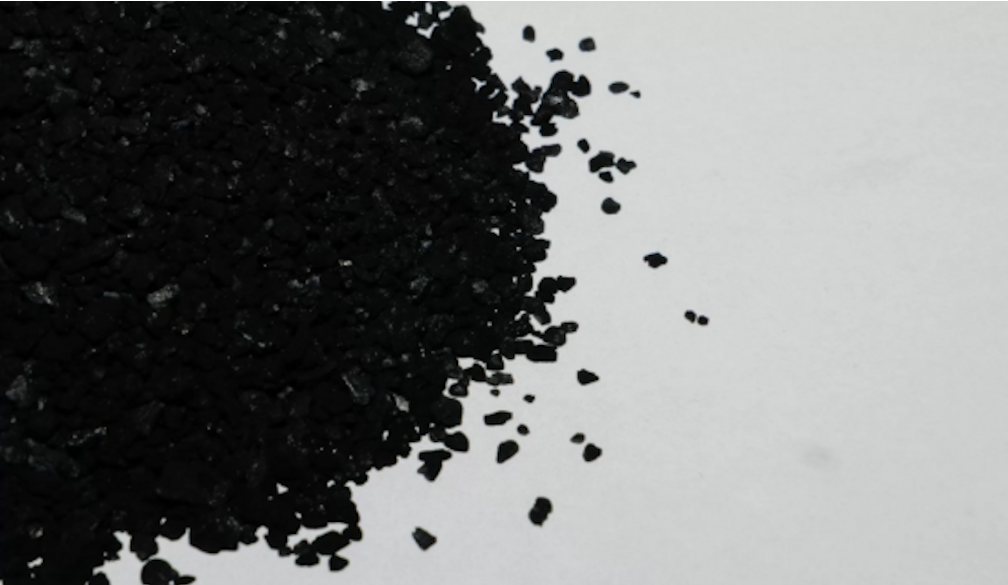
Activated carbon is widely used in filtration systems due to its ability to remove contaminants from both water and air effectively. Many industries and households rely on James Cumming Australian Activated Carbon to achieve cleaner, safer environments by improving filtration performance and reducing unwanted impurities.
This highly porous material is designed to trap harmful substances while allowing clean water and air to pass through. Its efficiency, versatility, and long-lasting performance make it a preferred choice for applications ranging from drinking water systems to air purification units in residential and industrial settings.
What Is Activated Carbon and Why It Is Effective
Activated carbon is a form of carbon that has been processed to create millions of tiny pores on its surface. These pores significantly increase its surface area, allowing it to capture and hold a wide range of contaminants. It is typically made from materials such as coconut shells, coal, or wood that are treated at high temperatures.
The effectiveness of activated carbon comes from its ability to attract and bind impurities. As water or air passes through it, unwanted substances adhere to the surface of the carbon. This process allows clean, filtered output without the need for complex chemical treatments, making it a practical and reliable filtration solution.
The Science Behind Adsorption
Unlike absorption, where substances dissolve into a material, activated carbon works through adsorption. This means contaminants stick to the surface of the carbon rather than being absorbed into it. The large surface area created by its porous structure provides countless binding sites for impurities.
As water or air flows through activated carbon, contaminants such as chemicals, organic compounds, and odours are drawn to its surface. Weak chemical forces hold these particles in place, preventing them from passing through. This process is highly efficient and allows activated carbon to remove a broad range of pollutants. Over time, the pores fill up, which is why activated carbon filters need to be replaced or refreshed periodically. Regular maintenance ensures consistent performance and optimal filtration results.
Removing Impurities from Water
Activated carbon is commonly used in water filtration systems to improve both safety and taste. It effectively removes chlorine, volatile organic compounds, and other substances that can affect water quality. This makes it ideal for drinking water, aquariums, and industrial water treatment systems.
One of the key benefits is its ability to eliminate unpleasant tastes and odours. By removing chlorine and organic compounds, activated carbon significantly improves the overall quality of water. This is particularly important for households that rely on treated municipal water supplies. Activated carbon helps reduce harmful contaminants that may be present in water sources. While it is often used alongside other filtration methods, it plays a crucial role in delivering cleaner and safer water for everyday use.
Purifying Air and Eliminating Odours
Activated carbon is also widely used in air purification systems due to its ability to capture airborne contaminants. It is highly effective at removing odours, smoke, and volatile organic compounds from indoor environments.
Air filters containing activated carbon are commonly used in homes, offices, and industrial facilities. They help improve indoor air quality by trapping pollutants that can cause discomfort or health issues. This is especially beneficial in areas with poor ventilation or high levels of air pollution. In addition to removing odours, activated carbon can capture harmful gases and chemicals. This makes it a valuable component in systems designed to create cleaner and healthier indoor spaces.
Key Advantages of Using Activated Carbon
Activated carbon offers several advantages that make it a preferred choice for filtration applications. Its versatility allows it to be used in both water and air systems, providing consistent and reliable results across different environments.
Some of the key benefits include:
- High efficiency in removing a wide range of contaminants
- Improved taste and odour in water and air
- Minimal need for chemical additives
- Easy integration into existing filtration systems
- Long-lasting performance with proper maintenance
These advantages make activated carbon a practical solution for both residential and industrial use.
Practical Applications in Everyday Use
Activated carbon is used in a variety of everyday applications, making it one of the most versatile filtration materials available. It can be found in household water filters, air purifiers, refrigerator filters, and even personal protective equipment.
In residential settings, it is commonly used to improve drinking water quality and remove unwanted odours from indoor air. In industrial environments, it plays a role in treating wastewater, controlling emissions, and maintaining safe working conditions. Its adaptability allows it to meet the needs of different users, from homeowners to large-scale operations. This flexibility is one of the reasons why activated carbon remains a trusted solution for filtration.
Long-Term Performance and Maintenance
To maintain the effectiveness of activated carbon, regular maintenance is essential. Over time, the pores become filled with contaminants, which reduces its ability to capture additional impurities. Replacing or reactivating the carbon ensures continued performance.
The lifespan of activated carbon depends on factors such as usage, type of contaminants, and system design. In many cases, filters need to be replaced periodically to maintain optimal efficiency. Monitoring performance and following recommended maintenance schedules can help maximise its benefits. With proper care, activated carbon systems can provide consistent and reliable filtration for extended periods. This makes them a cost-effective and dependable choice for improving water and air quality.
Conclusion
Activated carbon is a powerful and reliable solution for removing impurities from both water and air. Its unique structure and adsorption capabilities allow it to capture a wide range of contaminants, making it an essential component in modern filtration systems. By using activated carbon, individuals and industries can achieve cleaner water, fresher air, and a healthier environment overall. With proper maintenance and application, it continues to deliver long-term benefits and remains one of the most effective filtration materials available today.

 Hashtag.net.au


