

When Should You Remove a Tree Instead of Pruning It? A Practical Guide for Australian Property Owners
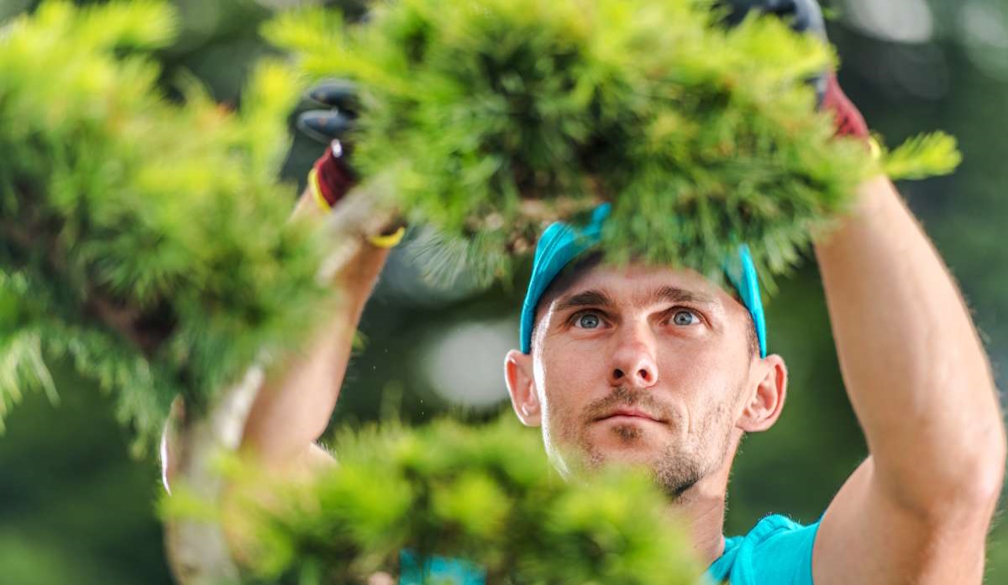
Trees are one of Australia's greatest natural assets. They provide shade during scorching summers, improve air quality, create habitats for wildlife and add significant visual appeal to residential and commercial properties. Mature trees can even increase property value when they're healthy and well-maintained.
However, there comes a point when keeping a tree isn't always the safest or most practical decision.
Many property owners assume that pruning can solve every tree problem. While pruning is an essential part of tree maintenance, it's not a cure-all. Some trees become structurally unsafe, suffer irreversible disease or simply outgrow their surroundings. In these situations, removal may be the responsible choice.
Understanding the difference between a tree that needs pruning and one that should be removed can save thousands of dollars in future repairs while protecting people, buildings and neighbouring properties.
Why Tree Pruning Is Usually the First Option
Professional arborists will almost always recommend pruning before considering removal.
Pruning offers numerous benefits, including:
- Removing dead or damaged branches
- Improving tree structure
- Encouraging healthy growth
- Increasing sunlight penetration
- Reducing the risk of branch failure
- Improving clearance around roofs, roads and powerlines
A properly pruned tree can continue thriving for decades.
Many Australian native species respond extremely well to professional pruning when carried out correctly and at the right time of year.
The key is understanding that pruning only works when the tree itself remains healthy.
Signs That Pruning May No Longer Be Enough
There are situations where removing branches simply delays a much larger problem.
Severe Structural Damage
Trees rely on a strong trunk and a healthy root system for stability.
If either has been compromised, pruning cannot restore structural integrity.
Common warning signs include:
- Large trunk cavities
- Multiple major cracks
- Splitting trunks
- Significant lean after storms
- Uplifted roots
- Hollow sections throughout the trunk
A tree may still have green leaves while hiding serious internal decay.
This is why visual appearance alone isn't always an accurate indicator of safety.
Advanced Disease
Many tree diseases can be managed during their early stages.
Others progressively destroy the tree from the inside.
Common issues include fungal decay, root rot and bacterial infections that weaken the timber.
Once the disease affects the main structural components, removing infected branches rarely solves the underlying issue.
Instead, the entire tree continues deteriorating.
In some cases, early removal also helps prevent diseases from spreading to nearby trees.
Dead Trees Present Serious Risks
Dead trees become increasingly brittle.
Branches may fall without warning, even on calm days.
The longer a dead tree remains standing, the greater the risk becomes.
Dead timber is also attractive to termites and other wood-boring insects.
If a dead tree is located near:
- Homes
- Driveways
- Schools
- Public pathways
- Commercial buildings
- Neighbouring properties
Removal is often the safest course of action.
Root Damage Can Create Hidden Problems
Most people focus on what they can see above ground.
In reality, roots are often the deciding factor.
Tree roots can become damaged through:
- Construction work
- Excavation
- Underground services
- Soil compaction
- Flooding
- Extended drought
Large root loss affects stability.
A tree with extensive root damage may remain standing for months or even years before unexpectedly failing during heavy rain or strong winds.
Professional assessment is essential after a major ground disturbance.
Storm Damage Sometimes Changes Everything
Australia experiences powerful storms, cyclones and high winds every year.
Storm damage isn't always immediately obvious.
While some trees recover with careful pruning, others suffer irreversible structural damage.
After major storms, arborists typically inspect for:
- Split trunks
- Twisted limbs
- Root plate movement
- Internal fractures
- Hanging branches
- Lightning damage
Some trees that appear stable immediately after a storm gradually decline over the following months.
Early inspection helps determine whether pruning is sufficient or removal is the safer option.
When Trees Outgrow Their Location
Not every problem involves disease.
Sometimes the tree simply occupies the wrong location.
This commonly occurs when fast-growing species are planted too close to:
- Houses
- Swimming pools
- Boundary fences
- Retaining walls
- Garages
- Underground plumbing
- Powerlines
As roots expand and canopies grow, conflicts become unavoidable.
Repeated heavy pruning every year often creates ongoing costs while weakening the tree.
In these situations, replacing the tree with a more suitable species may be the smarter long-term solution.
Development Projects Often Require Tree Assessment
Home renovations and new construction frequently involve existing trees.
Large trees can interfere with:
- Building footprints
- Driveways
- Extensions
- Swimming pools
- Drainage systems
Australian councils often require arborist reports before approving development applications involving established trees.
Professional assessments determine whether trees can be retained through protection measures or whether removal is necessary.
Planning early helps avoid expensive delays during construction.
Safety Always Comes First
Property owners sometimes hesitate to remove mature trees because of their beauty or sentimental value.
While understandable, safety must remain the priority.
An unstable tree can cause:
- Roof damage
- Vehicle damage
- Serious injury
- Insurance claims
- Power outages
- Legal liability
Ignoring obvious warning signs rarely makes the problem disappear.
Instead, risks generally increase over time.
The Importance of Professional Arborist Advice
Tree decisions should never rely solely on online photos or general advice.
Every tree is unique.
Species, age, soil conditions, surrounding structures and local climate all influence the best course of action.
Qualified arborists assess factors including:
- Overall health
- Structural integrity
- Root stability
- Pest activity
- Disease progression
- Long-term risk
This allows property owners to make informed decisions rather than guessing.
For Perth property owners, experienced arborists such as AB Trees can assess whether pruning remains a viable option or whether complete removal is the safest long-term solution. Their team provides professional tree removal, pruning, stump grinding and arborist services across Perth, helping homeowners and businesses manage trees safely while meeting local council requirements.
Environmental Responsibility Matters
Tree removal should never be the default option.
Healthy trees deliver enormous environmental benefits.
Whenever possible, experienced arborists aim to preserve mature trees through appropriate maintenance.
When removal becomes unavoidable, many homeowners choose to offset the loss by planting more suitable replacement species that better match the property's available space.
Thoughtful planning allows both safety and sustainability to coexist.
Don't Wait Until It's an Emergency
One of the biggest mistakes property owners make is waiting until visible failure occurs.
Trees usually provide warning signs long before complete collapse.
Regular inspections help identify:
- Early decay
- Pest infestations
- Structural weaknesses
- Root problems
- Disease progression
Addressing these issues early often results in simpler, less expensive solutions.
Whether that solution is careful pruning or complete removal, making the decision proactively is almost always preferable to responding after storm damage or property loss.
Final Thoughts
Pruning remains one of the most valuable ways to maintain healthy trees, improve safety and extend their lifespan. However, it isn't always the right solution. Trees suffering from advanced disease, severe structural defects, extensive root damage or irreversible storm damage may pose risks that pruning simply cannot eliminate.
Knowing when to remove a tree instead of repeatedly trying to save it protects people, property and surrounding landscapes. By seeking professional arborist advice early, property owners can make confident decisions that balance safety, environmental responsibility and long-term property value.
FAQs
How do I know if my tree should be removed instead of pruned?
If the tree has major trunk cracks, extensive decay, severe lean, significant root damage or advanced disease, removal may be safer than pruning. A qualified arborist can provide a professional assessment.
Can a diseased tree be saved?
Some diseases can be treated if detected early. However, once decay or infection affects the tree's structural integrity, removal is often the safest option.
Is it dangerous to leave a dead tree standing?
Yes. Dead trees become brittle over time and can drop branches or collapse unexpectedly, especially during strong winds or storms.
Will removing a tree increase property value?
Removing a hazardous or poorly positioned tree can improve safety, reduce maintenance costs and make a property more attractive to buyers, particularly if the tree poses obvious risks.
Should I remove a tree before renovating my home?
If a tree interferes with construction or could be damaged during building works, it's worth having it assessed before the project begins. Early planning can prevent costly delays and redesigns.
Can tree roots damage foundations and pipes?
Yes. Certain tree species develop extensive root systems that may affect foundations, retaining walls, driveways and underground services if planted too close to structures. Proper assessment helps determine the best course of action.

 Hashtag.net.au


