

How Steel Cutting Services Support Modern Fabrication Projects
Choose the cutting method carefully
Steel fabrication rarely ends with simply purchasing a sheet or plate. Components often need to be cut to specific shapes, drilled, ground or otherwise prepared before they can move into assembly. steel cutting services help bridge that gap by converting plate stock into parts that align with project drawings and fabrication requirements. Australian Steel provides profile cutting and several related processing options from its Braeside facility.
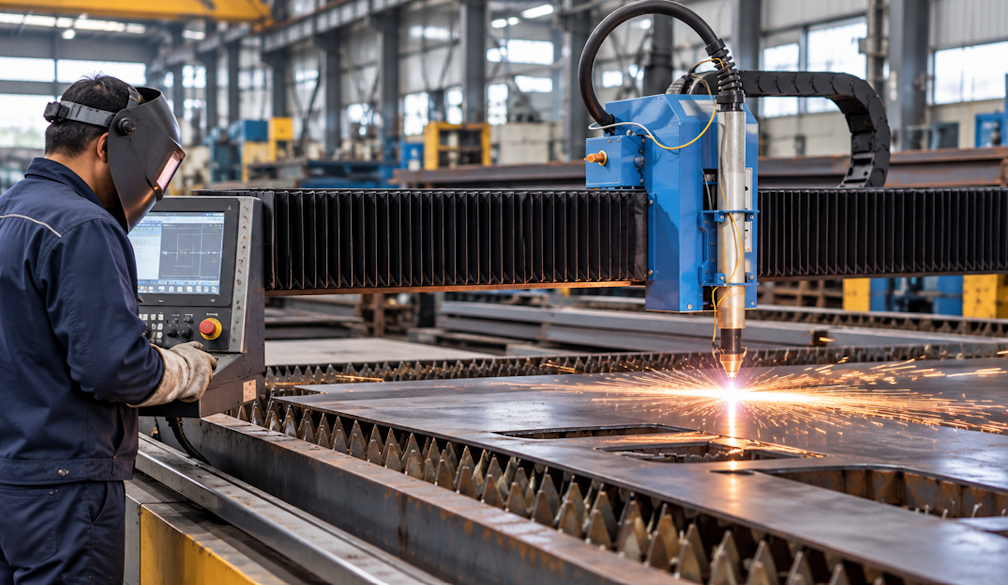
The right cutting method depends on the material, thickness, profile and final application. Australian Steel offers oxy cutting and high-definition plasma cutting as part of its processing capabilities, giving customers options for different plate requirements. When arranging steel cutting services, supplying clear drawings and confirming material specifications helps establish the appropriate cutting approach before work begins.
Profile accuracy is particularly important when multiple components need to fit together during fabrication. A correctly prepared drawing provides the basis for producing the required geometry, while additional operations can address holes, edges and surface preparation. Australian Steel's steel cutting services can be combined with NC drilling, wash grinding, beveling and other processes when a project requires more than basic profile cutting.
Include post-cutting processes
Post-cutting work can also affect the final suitability of a component. Australian Steel lists stress relieving, folding, pressing and rolling, machining, welding, fabrication, etching and marking among its broader services. Considering these requirements at the start allows the cutting stage to be planned as part of a complete workflow rather than handled separately from the later manufacturing operations.
A well-prepared cutting brief should also explain what happens after the profile is produced. If the component needs holes, surface preparation, bending or another operation, those requirements should be identified at the outset. This allows the production sequence to be considered as a whole and helps avoid situations where a component is cut correctly but still requires additional work that was not included in the original order.
For repeat fabrication work, consistent specifications can make ordering more straightforward. Keeping drawings, grade information, thicknesses and finished dimensions clearly documented gives the supplier a reliable reference for future requirements. It can also make communication easier when several components form part of the same assembly or when similar parts are required across multiple projects.
Make the order specification clear
Australian Steel's combination of plate stock and processing services is particularly relevant when the requirement extends beyond a simple piece of material. The company lists profile cutting, oxy cutting, high-definition plasma cutting and several post-cutting services, allowing customers to discuss the complete processing pathway. A clear brief remains essential, but having these capabilities available through one supplier can simplify coordination.
Material availability is another practical consideration. Australian Steel supplies a range of plate grades and thicknesses, including structural steels, Q&T grades, K1045, boiler plate and weathering steel. Combining plate supply with steel cutting services can make it easier to coordinate the material specification, required dimensions and processing sequence, especially for projects involving multiple components.
Clear communication is central to an efficient cutting job. A useful order should identify the steel grade, thickness, quantity, finished dimensions and profile requirements, along with any holes, bevels or additional processing that must be completed. For steel cutting services, these details give the supplier a clear production brief and help ensure the cut parts correspond with the intended design.
Make the order specification clear
Australian Steel has more than 35 years of experience in the steel industry and services customers in Victoria and other Australian states. Its combination of plate stock, cutting and post-cutting capabilities provides a practical option for projects that require material supply and processing together. When planning steel cutting services, treating cutting as one part of the wider fabrication pathway can lead to clearer specifications and a more organised production process.
Another useful consideration is how individual cut parts relate to the wider fabrication project. If several profiles must be produced from the same grade and thickness, grouping the requirements can help create a more consistent production brief. It also allows the customer and supplier to discuss cutting alongside drilling, grinding, marking or other required operations. By treating the work as a connected process, the project team can make clearer decisions about material, processing sequence and delivery requirements before production starts.
Planning the full production route before cutting can make the order easier to coordinate. It allows material supply, profile production and subsequent operations to be considered together, reducing the chance that an important secondary requirement is overlooked.

 Hashtag.net.au


