

Looking After a Hearing Aid: The Small Daily Habits That Matter
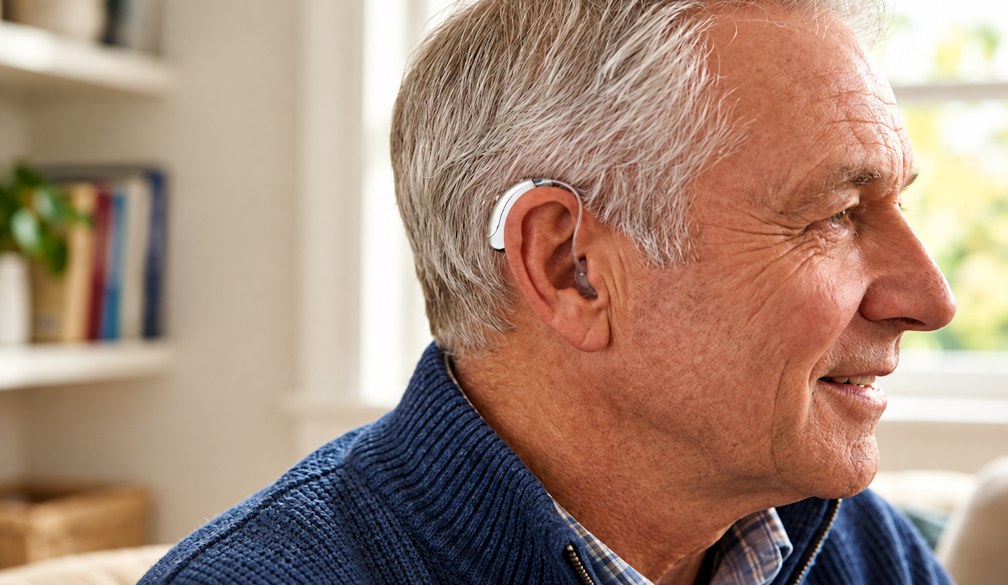
A hearing aid is a small electronic device worn close to skin, sweat and earwax, and it needs regular care to keep working as it should. Most of that care is simple and takes only a minute or two, but it is easy to overlook when the focus has been on choosing the device in the first place.
Why Care Is Part of the Decision
Anyone comparing hearing aid cost Australia options will mostly see purchase prices. Day-to-day care is the part of ownership that sits outside the price list, and it is worth understanding before buying, because the habits involved are quick to learn and easier to start early than to pick up after a problem appears.
The End-of-Day Routine
The core of the routine is to wipe, check and store. A soft, dry cloth is used to remove moisture, wax and sweat from the outside of each device. Checking each device for debris at night is a sensible habit. The devices are then stored in their case or charger, in a dry place, and out of reach of pets and young children.
For devices that use disposable batteries, Ear Science Institute Australia suggests leaving the battery door open overnight. The idea is to disconnect the battery while the device is not in use, which can help conserve battery life, and the batteries do not need to be removed.
Moisture and Everyday Products
Hearing aids are sensitive to moisture, which is why they come out before swimming, showering or using a sauna, and why ears are best dried before they go back in. Moisture build-up is a common reason hearing aids end up needing repair, so it is worth taking seriously even when it seems minor.
If a device does get wet, it should not be dried with a heater, hairdryer or microwave. A drying box or dehumidifier, which an audiologist can usually supply, is the more suitable option.
Products used around the head matter too. Hairspray and make-up can get into a device, so the usual advice is to put hearing aids in after applying them.
Wax and the Parts That Get Replaced
Earwax is the other everyday challenge. It can build up on a device and is one of the things worth checking for when something seems wrong. Cotton buds are not recommended for removing it. For wax in the ear itself, the safe route is to ask a doctor or audiologist how to have it removed.
Some parts are designed to be replaced rather than cleaned indefinitely. Domes, which sit in the ear canal, and wax filters can be replaced as needed, and the tubes on some styles can also be changed. The clinic that fitted the device is the best source for how often.
When Something Stops Working
A device that goes quiet or sounds different is not always a fault. A short run of checks is usually the first step. Is the battery fresh or the device fully charged? Is there wax or debris blocking the opening? Has the dome, filter or tube become blocked or dirty? Mould can sometimes form and needs cleaning, and a worn tube may need replacing.
Whistling, also called feedback, has its own common causes. A device that does not sit securely in the ear can whistle, and so can a build-up of wax. If the whistling continues after these have been checked, an audiologist may adjust the settings or review how the device is coupled to the ear. If a problem continues after the basic checks, the next step is to contact the clinic rather than keep trying fixes at home.
The Annual Check
Home care and professional care do different jobs. Cleaning at home covers what builds up daily, while a clinic can check the fit and the settings. An annual review with an audiologist is a common recommendation, and any change in how the devices perform is a reason to book sooner. It is worth asking what the clinic itself recommends.

 Hashtag.net.au


