

Historic new deal puts emissions reduction at the heart of Australia's energy sector
- Written by Madeline Taylor, Senior Lecturer, Macquarie University
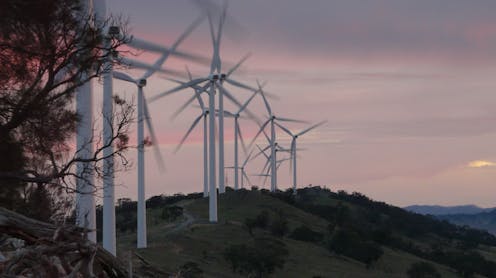
Australia’s energy ministers on Friday voted to make emissions reduction a key national energy goal, in a major step forward in the clean energy transition.
Federal, state and territory energy ministers agreed to include emissions in what’s known as the “national energy objectives”. The objectives guide rule-making and other decisions concerning electricity, retail energy and gas.
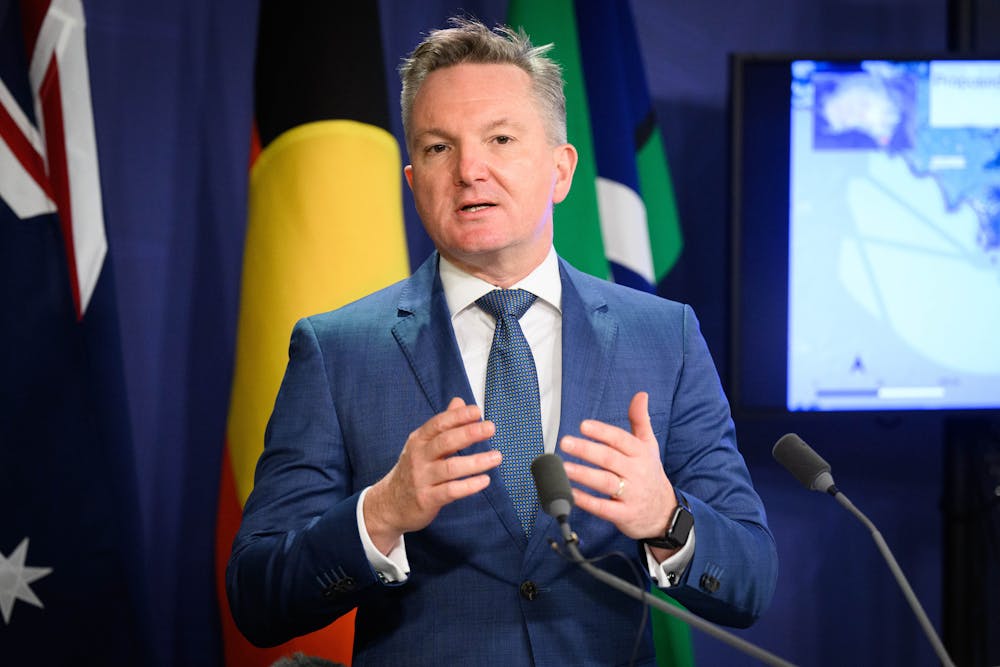
Announcing the deal on Friday, Climate Change and Energy Minister Chris Bowen said it was the first change to the objectives in 15 years. He added:
This is important, it sends a very clear direction to our energy market operators, that they must include emissions reductions in the work that they do … Australia is determined to reduce emissions, and we welcome investment to achieve it and we will provide a stable and certain policy framework.
The agreement comes not a moment too soon. To meet Australia’s net-zero goals, variable renewable energy capacity must increase nine-fold by 2050. That means doubling Australia’s renewables capacity every decade. So let’s take a closer look at what the deal means.
Prioritising emissions reduction
A body called the Australian Energy Market Commission (AEMC) makes the rules for the electricity and gas market. It must refer to the national energy objectives to guide the formation of these rules.
The exclusion of emissions from the objectives meant the commission did not have to consider the long-term climate implications of the rules it set. Instead, the objectives mostly meant the commission considered the price, quality, safety, reliability and security of energy.
This limited scope meant some investment decisions by the commission were based on short-term economic grounds. For example, these old regulations required a transmission company to maintain diesel generators rather than build a world-first clean energy mini-grid near Broken Hill, New South Wales.
Other jurisdictions worldwide already include sustainability objectives in electricity laws.
For example, a principal objective of the United Kingdom’s Electricity Act 1989 requires officials to protect the interests of existing and future consumers. The first listed priority is the need to reduce greenhouse gas emissions from electricity supply.
Read more: The US has finally passed a huge climate bill. Australia needs to keep up
What has its exclusion meant for projects?
The environment used to be included in the objectives, but the Howard government removed it more than two decades ago. The move was a major setback for climate action and the transition to renewable energy.
The energy market operator may consider the environmental or energy policies of participating jurisdictions to identify effects on the power system. But Friday’s deal means consideration of emissions would no longer be optional for the commission.
The traditional principles of efficiency and reliability are, of course, still crucial to energy systems. Yet, the ongoing energy crisis shows we must invest in a suite of technologies to reach net-zero goals while assuring future energy security.
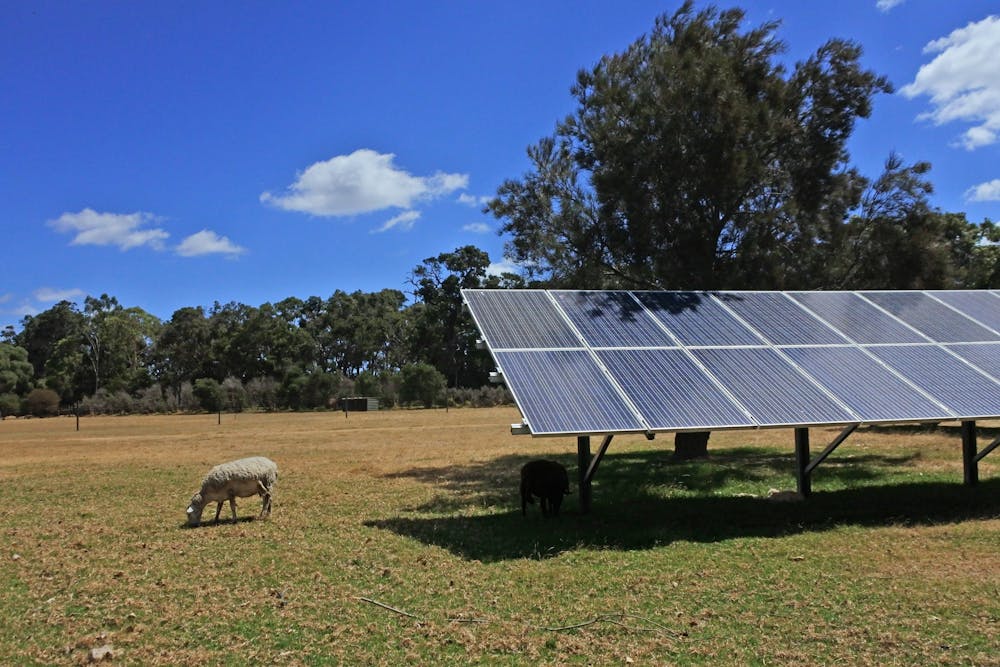 Consideration of emissions will no longer be optional.
Shutterstock
Consideration of emissions will no longer be optional.
Shutterstock
Ensuring the transition is fair
Including emissions in investment decisions is crucial for planning the future of the National Electricity Market. Some states are making excellent progress.
For example, New South Wales has mapped five “renewable energy zones” to replace ageing coal-fired generators. The roadmap’s objectives explicitly include improving “the affordability, reliability, security and sustainability of electricity supply”.
A successful energy transition must also consider society’s values. This includes consulting with landholders and communities about developing renewable energy projects on their land.
Making sure Australia’s transition is fair for everyone means prioritising people and their involvement. It also means getting a social licence for energy industry decisions.
The requirement to consider emissions in energy investment decisions may create further incentives for energy bodies to consider societal impacts. This is also reflected in Friday’s ministerial commitment to work on a co-designed First Nations clean energy strategy.
Considering climate impacts in energy financing and planning decisions is also crucial to the resilience of our energy systems. It will help ensure we don’t see a repeat of the Black Summer bushfires in 2019-2020, when entire sections of the national grid were destroyed.
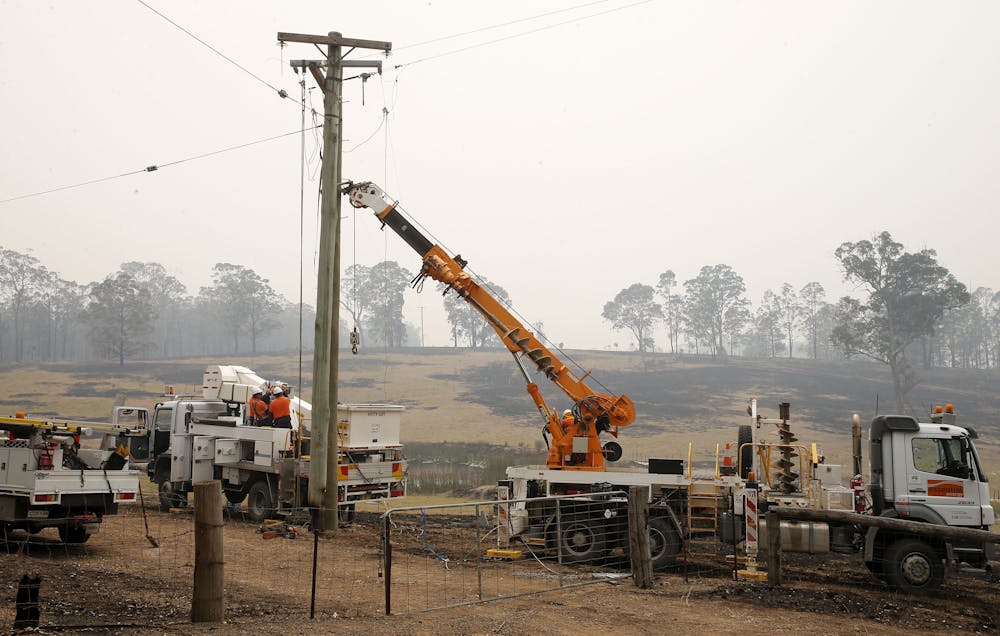 Energy crews replace a burnt out power pole in NSW after catastrophic fires in 2019.
AAP Image/Darren Pateman
Energy crews replace a burnt out power pole in NSW after catastrophic fires in 2019.
AAP Image/Darren Pateman
Aligning with our long-term interests
This is a momentous period for Australia’s energy policy. The new federal government recently established Australia’s first offshore wind zone and is close to enshrining an emissions target in legislation. All this signals a long-needed embrace of the energy transition towards net zero.
This latest change increases this momentum. Importantly, it sends a direct signal for more investment net-zero technologies.
The international COP27 climate conference is due in November and Australia wants to co-host COP29 in 2024 with our Pacific Island neighbours. With that in mind, our regulation must reflect our commitment to the energy transition – and this new deal is a crucially important step.
Authors: Madeline Taylor, Senior Lecturer, Macquarie University


 Hashtag.net.au
