

How Do Natural Latex Pillows Support Better Sleep and Everyday Comfort?
Understanding the Appeal of Natural Latex Pillows
Choosing a pillow is about more than finding something soft to rest your head on. The material, shape and support level can influence how comfortable your neck and shoulders feel throughout the night. natural latex pillows are often considered by sleepers who want a resilient, supportive pillow with a material profile that differs from conventional foam and fibre options. Latex is known for its springy feel, allowing it to respond to pressure while retaining its shape. For people who value consistent support and comfort, understanding how the material behaves can help make the selection process more informed. TLC Latex Pillows offers options that shoppers can compare while considering these comfort and support characteristics.
What Makes Natural Pillows Different?
Pillow materials can vary considerably in how they respond to weight, movement and heat. Natural pillows made from latex are associated with a buoyant feel rather than the slower sinking sensation that some other materials provide. This response can make it easier for the pillow to adjust as a sleeper changes position. The construction and firmness still matter, as different designs can offer varying levels of cushioning and support. Looking beyond the label and considering the pillow’s feel, loft and intended sleeping position can help narrow down suitable options. TLC Latex Pillows can be considered alongside these factors when comparing pillow materials and designs.
Support for Different Sleeping Positions
Side sleepers generally need enough pillow height to help accommodate the space between the shoulder and head, while back sleepers may prefer a profile that supports the neck without pushing the head too far forward. Stomach sleepers often look for a lower pillow to reduce excessive neck extension. Latex pillows come in different shapes and profiles, so the right choice depends on individual proportions and comfort preferences. A pillow should feel supportive without creating pressure or forcing the neck into an uncomfortable position, and personal preference remains an important part of the decision.
Resilience, Shape and Everyday Use
A pillow’s ability to retain its shape can affect how it feels over time. Latex has an elastic response that allows it to compress under pressure and recover when that pressure is released. This characteristic may appeal to sleepers who dislike pillows that flatten quickly or require frequent adjustment during the night. However, performance depends on the pillow’s construction, material quality, cover and care. Checking product specifications and care guidance can provide a clearer understanding of how a particular pillow is designed for regular use. Natural latex pillows are worth considering when resilience is among the qualities a shopper prioritises.
Comfort, Breathability and Material Considerations
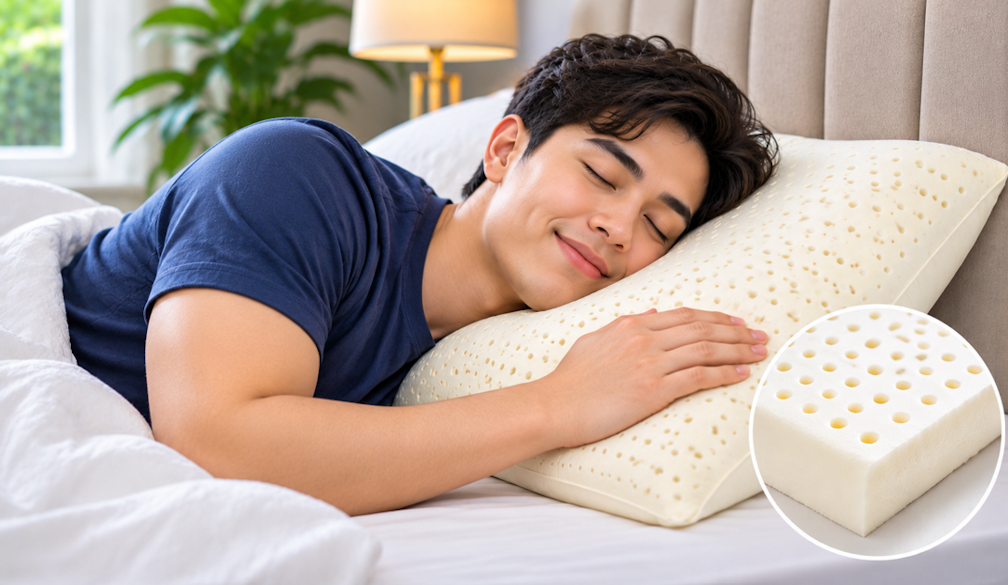
Comfort is subjective, but temperature and moisture management can be part of the overall pillow experience. The cover, internal structure and surrounding bedding all contribute to how warm or cool a pillow feels. Some latex pillow designs use perforations or particular constructions intended to encourage airflow, although this varies between products. Buyers should review the details of each model rather than assume that every latex pillow has identical characteristics. Material origin, manufacturing details and care instructions can also be useful considerations for people comparing natural pillows with other pillow types.
Choosing a Pillow That Suits Your Needs
Before purchasing, consider your preferred sleeping position, pillow height, firmness and how much cushioning you like around your head and neck. If possible, review the dimensions and product details carefully, especially if you are replacing a pillow with a familiar shape. The right option is not necessarily the firmest or softest; it is the one that feels comfortable and provides the level of support you prefer. Reading clear product descriptions can help you compare available choices without relying on broad claims about materials. Natural latex pillows may suit shoppers seeking a combination of responsive feel and support, provided the particular design matches their requirements. TLC Latex Pillows provides product details that shoppers can review as part of this comparison.
Conclusion
Pillow choice can play a meaningful role in the comfort of a nightly routine. Latex offers a responsive material feel, and pillow designs can differ in height, shape, firmness and construction. Comparing those features with your sleeping position and preferences is a practical way to make a considered decision. For shoppers exploring natural pillows, the key is to focus on the specific product’s details and comfort characteristics rather than assuming that one design will suit everyone.

 Hashtag.net.au


