

How to Cut Your Motor Car Insurance Costs: Expert Tips That Actually Work
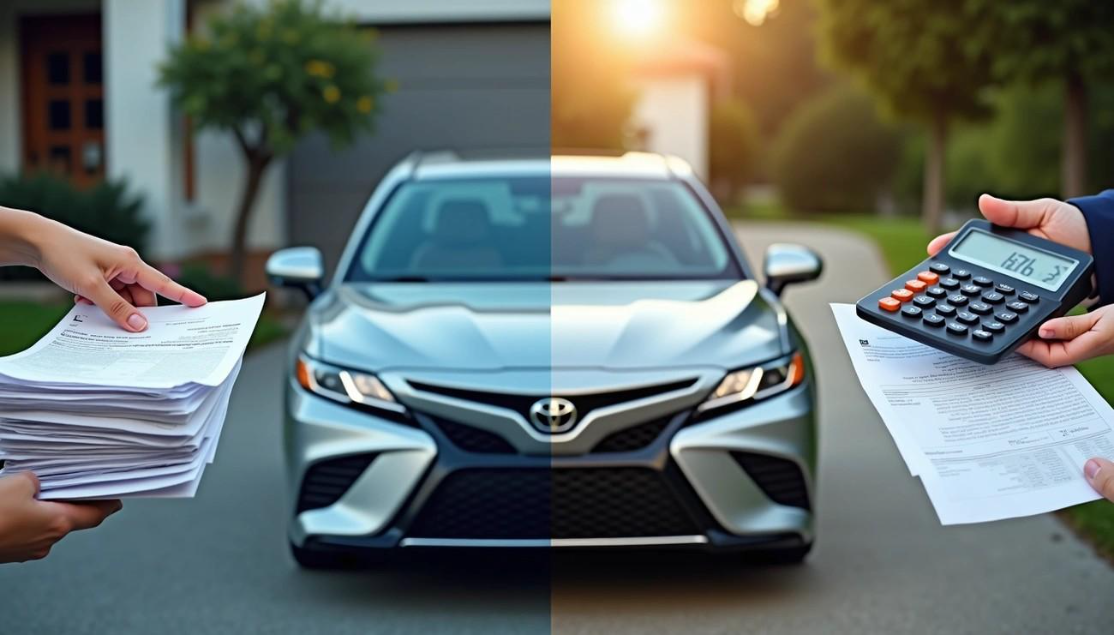
Motor car insurance premiums have skyrocketed by a staggering 42% since 2019, according to the Insurance Council of Australia. This dramatic increase leaves many Australian drivers struggling to balance adequate coverage with affordable costs.
When pricing car insurance, small changes can make significant differences to your bottom line. For example, simply switching from monthly to annual payments can save you 5-10% over the year. Additionally, motor car insurance Australia providers often change their premiums annually—even if you stay with the same insurer. This is why it's crucial to regularly compare motor car insurance options to ensure you're not paying more than necessary.
This guide will show you practical, expert-tested strategies to reduce your insurance costs without sacrificing essential coverage. From policy adjustments to common misconceptions, you'll discover actionable tips that can help lower your premiums immediately.
Expert Tips to Cut Your Motor Car Insurance Costs
Looking to slash those rising motor car insurance costs without compromising coverage? Insurance experts reveal that strategic policy adjustments can lead to significant savings.
Smart shoppers can save hundreds by comparing quotes from multiple providers before renewal. Remarkably, the difference between the cheapest and most expensive policies can exceed AUD 1,500 annually. Furthermore, selecting a higher excess option could reduce your premium by nearly 30%.
Paying your premium annually instead of monthly typically results in lower overall costs. Moreover, reviewing your coverage level is essential—you're only legally required to hold Compulsory Third Party insurance, with optional coverage levels available based on your needs.
Restricting who can drive your vehicle, particularly excluding drivers under 25, can substantially lower premiums. Additionally, updating your insurer about reduced vehicle usage (under 10,000km annually) could qualify you for special discounts.
Secure parking matters too—storing your car in a garage rather than on the street may reduce your risk profile. Vehicle safety features like immobilizers, alarms, and autonomous emergency braking can also lead to premium reductions.
Lastly, never overlook available discounts. Many insurers offer 15% off for new policies purchased online, while others provide multi-policy discounts of 10-15% when you bundle multiple insurance products.
Common Myths That Could Be Costing You More
Misconceptions about motor car insurance can silently drain your wallet. Perhaps the most costly myth is that loyalty to one insurer rewards you with better rates. In reality, despite promised "loyalty discounts," longtime customers frequently pay significantly more than new ones. A study found that 53% of consumers stayed with the same insurer for 15+ years, yet this loyalty often results in higher premiums rather than savings.
Unfortunately, shopping around remains essential despite recent regulations against loyalty penalties. The Financial Conduct Authority found loyal policyholders overpaid £1.2 billion in a single year. Notably, in some regions, premiums for the most expensive policies are more than double the cheapest available options.
Another expensive misunderstanding is assuming your car registration automatically includes comprehensive coverage. Though Compulsory Third Party insurance is mandatory, it offers minimal protection compared to comprehensive policies.
Many drivers incorrectly believe anyone driving their vehicle is fully covered under their policy. However, unlisted drivers typically incur additional excess charges on claims.
Equally costly is the assumption that mechanical repairs and breakdowns are included in standard policies. These events generally aren't covered, leaving unprepared motorists with unexpected expenses.
Finally, don't assume your premiums automatically decrease with time. Without regular comparisons, you might miss substantial savings opportunities.
What to Keep and What to Drop in Your Policy
Choosing the right motor car insurance coverage requires balancing essential protections against unnecessary extras. First, understand that Compulsory Third Party (CTP) insurance only covers injuries to others in accidents, not vehicle damage. For property protection, comprehensive insurance provides the highest level of cover, including theft, fire, storms, and accidents.
When selecting coverage, consider your vehicle's value. For newer or financed cars, comprehensive insurance prevents being left with debt if your car is written off. Conversely, for older vehicles with minimal value, third party property insurance might suffice.
Between market and agreed value options, agreed value guarantees a fixed payout amount regardless of depreciation. Although it typically costs more, this option proves especially valuable for financed vehicles to avoid shortfalls between what you owe and what you receive.
Regarding optional add-ons, windscreen cover (allowing one excess-free claim annually) offers genuine value at around $61.16. Meanwhile, hire car coverage (costing approximately $137.61 daily) proves worthwhile if you lack alternative transportation.
No claim bonus protection might seem appealing but often costs more than the discount it preserves. Similarly, weather-related coverages become essential if you live in storm or hail-prone regions.
Ultimately, scrutinize each component based on your specific circumstances, vehicle value, and financial situation.
Conclusion
Navigating motor car insurance might seem overwhelming at first glance. Still, armed with the right knowledge, you can significantly reduce costs while maintaining adequate protection. Though prices have skyrocketed, strategic policy adjustments clearly make a substantial difference to your bottom line.
Remember that loyalty rarely pays when it comes to insurance. Therefore, make comparing quotes before renewal a yearly habit. This simple practice alone could save you hundreds or even thousands of dollars annually. Additionally, paying your premium as a lump sum, choosing appropriate excess levels, and restricting drivers under 25 all present tangible ways to lower your costs.
Your specific circumstances should guide coverage decisions. Certainly, newer vehicles warrant comprehensive protection, while older cars might need only third-party property insurance. Likewise, add-ons deserve careful scrutiny - windscreen cover often provides excellent value, but no-claim bonus protection rarely justifies its cost.
Most importantly, take time each year to review your policy details. After all, insurance needs change as your vehicle ages and your driving habits evolve. By applying these expert tips and avoiding common misconceptions, you can secure appropriate coverage without unnecessary financial strain. The small effort required to optimize your motor car insurance today will undoubtedly reward you with substantial savings tomorrow.

 Hashtag.net.au


