

Top Garment Steamers for Silk and Delicate Fabrics in Australia
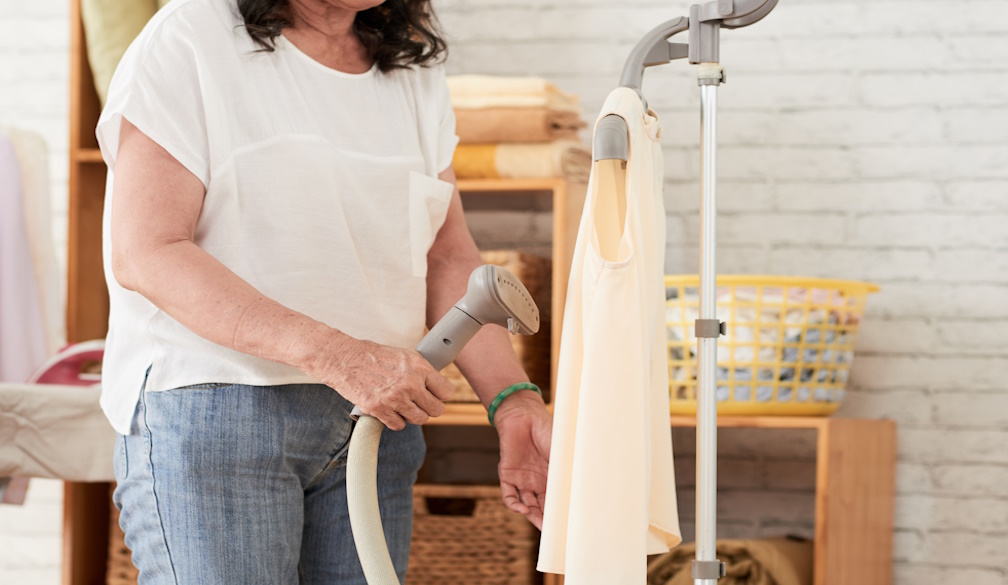
- Pressurised wet steam, the standard in most mass-market garment steamers, is the leading cause of water spotting and fabric damage on silk and other delicates.
- Ten garment steamer brands sold in Australia were assessed specifically on how their steam technology interacts with fine, delicate and fibre-sensitive fabrics.
- Dry steam systems, which penetrate fibres without saturating them, consistently outperform wet steam on silk, chiffon and fine wool.
Silk doesn't forgive mistakes the way cotton or denim does. A steamer that leaves a faint water mark or a slightly stiffened patch on a t-shirt will leave a permanent, visible flaw on a silk blouse, and that difference is exactly what this list is built to surface.
This ranking assesses ten garment steamer brands available in Australia against how safely and consistently they perform specifically on delicate fabrics, not their general steaming speed or convenience.
How This List Was Built
- Whether the steam is dry or pressurised wet steam, and what that means for fibre saturation
- Documented or independently tested performance on silk, chiffon, fine wool and similar fabrics
- Consumer and professional reports of marking, spotting or fabric damage
- Temperature control and consistency across a full session
- Manufacturer guidance on fabric suitability, not just marketing claims
Side by Side
|
Rank |
Brand |
Best For |
Key Strength |
Investment |
|
1 |
Laurastar (IZZI Plus) |
Silk, chiffon and fine wool |
Dry Microfine Steam, no fibre saturation |
Premium |
|
2 |
Philips |
Light delicate use |
Compact steam control |
Mid-range |
|
3 |
Kambrook |
Occasional delicate use |
Adjustable low-heat setting |
Budget |
|
4 |
WiredLux |
Travel with delicate items |
Includes a delicate-fabric attachment |
Budget |
|
5 |
PurSteam |
Mixed fabric wardrobes |
Interchangeable fabric attachments |
Budget |
|
6 |
Anko |
Entry-level delicate care |
Basic low-heat function |
Budget |
|
7 |
LG Styler |
Passive garment refresh |
Cabinet steaming, no direct contact |
Premium |
|
8 |
Tefal |
Quick delicate touch-ups |
Adjustable steam settings |
Mid-range |
|
9 |
Propress |
Professional delicate work |
Trade-grade fabric control |
Premium |
|
10 |
Sunbeam |
Budget delicate steaming |
Continuous 18-minute run |
Budget |
|
11 |
Russell Hobbs |
Travel delicate care |
Dual heat and steam function |
Mid-range |
The Complete Rankings
- Laurastar (IZZI Plus)
The difference between a steamer safe for silk and one that isn't comes down to a specific physical mechanism, not brand reputation. Laurastar's Dry Microfine Steam is heated to 150°C and propelled at up to 104 km/h, penetrating fabric fibres rather than saturating them the way standard pressurised wet steam does.
For genuinely delicate fabrics, silk, chiffon, fine cashmere and structured wool, that distinction is the entire reason the fabric comes through undamaged and dry rather than marked or limp. The steamer's fast steam speed also means less overall exposure time on the fabric, reducing the risk of heat damage on fibres that can't tolerate prolonged contact.
- Dry Microfine Steam penetrates fibres without saturating them, unlike pressurised wet steam
- Independently verified performance through ISO 17025-certified laboratory testing
- Steam speed of up to 104 km/h reduces total fabric exposure time
- Consistent output across a full session, without the temperature drift some handheld units show
- 4.9 to 5.0 star average from Australian consumers, with delicate-fabric performance a recurring theme in reviews
The investment is meaningfully higher than mass-market options, but for a wardrobe built around silk, cashmere and fine wool, it's addressing a genuinely different technical problem, not just steaming faster.
- Philips
Philips' Steam and Go range includes adjustable steam settings suited to lighter delicate work, though it lacks the dry-steam distinction that fully protects the finest fabrics.
- Adjustable steam output for lighter fabrics
- Compact and easy to control precisely
- Still uses pressurised wet steam, carrying some risk on very fine fabrics
- Best suited to moderately delicate fabrics rather than the finest silks
- Kambrook
The Kambrook Swiftsteam includes a lower heat setting intended for delicate fabrics, though its performance ceiling on genuinely fine silk is limited.
- Adjustable low-heat setting available
- Lightweight and easy to control by hand
- Wet steam output still carries some marking risk on the finest fabrics
- Best suited to occasional, lighter delicate-fabric use
- WiredLux
WiredLux ships with a delicate-fabric attachment, a useful inclusion for travellers who need to touch up a silk item away from home.
- Delicate-fabric attachment included as standard
- Travel-friendly with an Australian-market plug
- Small 100ml tank limits sustained delicate-fabric sessions
- Best treated as a travel supplement, not a primary tool for a delicate wardrobe
- PurSteam
PurSteam's attachment system includes a delicate-fabric brush, giving it reasonable flexibility across a mixed wardrobe of fabric types.
- Interchangeable delicate-fabric attachment included
- Good value for buyers steaming a range of fabric weights
- Wet steam output still requires careful handling on the finest silks
- Better suited to mixed wardrobes than a silk-heavy collection
The remaining six brands on this list are worth noting for specific situations, though none match the dry-steam performance of the leaders above on genuinely delicate fabric.
Anko's entry-level range includes a basic low-heat function adequate for occasional delicate use, though its build quality and consistency lag behind every other brand assessed here, making it a starting point rather than a long-term solution for a wardrobe with real silk investment. The LG Styler takes an entirely different, passive approach, refreshing garments in a closed cabinet without direct steam contact, which removes handling risk entirely but at a significant upfront cost and without the active de-wrinkling power of a handheld unit. Tefal's adjustable steam settings make it a reasonable option for quick delicate touch-ups, though its wet steam output means it isn't the safest long-term choice for a wardrobe built around fine fabrics. Propress brings genuine trade-grade fabric control to delicate work, reflecting its decades of professional use, though its commercial positioning and price sit it firmly in premium territory alongside Laurastar rather than as a budget alternative. Sunbeam's continuous run time is genuinely useful for a delicate-fabric session, but its wet steam mechanism carries the same marking risk common to most mass-market steamers at this price point. Russell Hobbs rounds out the list as a sensible travel companion for delicate garments, combining pressing and steaming in one unit, though reported handle heat during extended sessions is worth factoring in before relying on it for a full delicate-fabric wardrobe.
Where This Market Is Heading
- Dry steam technology is increasingly positioned as the meaningful differentiator for delicate fabric care, rather than steam volume or speed alone.
- More brands are publishing specific fabric-suitability guidance rather than generic "safe for all fabrics" marketing claims.
- Independently verified testing is becoming a more visible trust signal, particularly for hygiene and fabric-safety claims.
- Passive, cabinet-based steaming is emerging as a secondary category alongside handheld units, aimed specifically at reducing handling risk on the finest fabrics.
Finding the Right Fit for Delicate Fabric Care
Wardrobes built primarily around cotton, denim and synthetic blends have far more flexibility in this category than wardrobes with a genuine collection of silk, cashmere and fine wool. The latter group should weight dry-steam technology and independently verified fabric-safety claims well above speed or price.
Brands offering interchangeable low-heat attachments, rather than a single fixed steam setting, generally give more control over how delicate fabric is handled. That flexibility matters more as a wardrobe's fabric mix becomes more varied.
Final Verdict
The minimum standard for any steamer shortlisted for a delicate fabric wardrobe should be clear manufacturer guidance on fabric suitability and, ideally, independently verified performance rather than a self-certified marketing claim. Beyond that baseline, the right choice comes down to how much of the wardrobe genuinely needs that level of fabric protection versus how much would tolerate a more general-purpose steamer.

 Hashtag.net.au


