

Commercial Timber: A Sustainable Future for Construction?
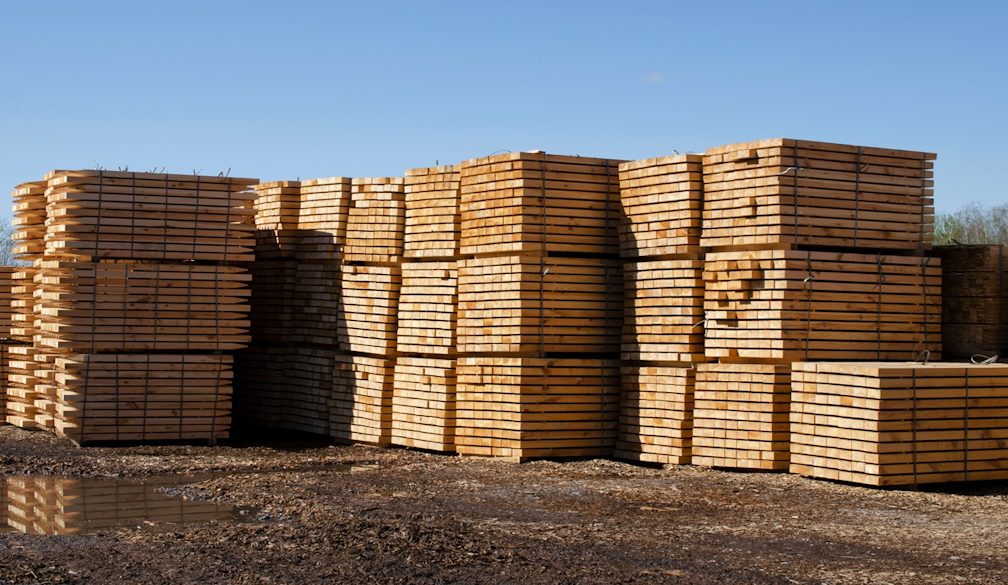
In the world of construction, where materials are constantly scrutinised for their environmental impact and long-term viability, the spotlight is increasingly turning towards timber. But not just any timber – we're talking about the use of commercial timber sourced from sustainably managed forests. Is it truly a viable path towards a more sustainable future for the building industry here in Australia, and indeed, globally? Let's delve into the heart of the matter.
For generations, timber has been a go-to material, prized for its versatility, strength, and natural beauty. But as our understanding of environmental issues has grown, so has the need to ensure that the timber we use is sourced responsibly. This is where the concept of commercial timber, managed with sustainability in mind, comes into play. We'll explore how this approach can contribute to a greener construction sector and what challenges we still face.
The Enduring Appeal of Timber in Construction
Why is timber such a popular choice for construction in the first place? The reasons are manifold. Firstly, it’s a renewable resource, unlike concrete or steel which require energy-intensive manufacturing processes. When sourced from sustainably managed forests, timber can be continuously replenished, ensuring a long-term supply. Moreover, timber boasts excellent thermal properties, meaning it can help to insulate buildings, reducing energy consumption and lowering heating and cooling costs. This is particularly relevant in the diverse climates across Australia, from the tropical north to the cooler south.
Furthermore, timber offers aesthetic appeal that few other materials can match. Its natural grain and warm tones create a sense of character and charm, making it a favourite among architects and designers. From rustic cottages to modern skyscrapers, timber can be used in a variety of ways, adding a touch of elegance and sophistication to any project. It's easy to see why so many are drawn to the use of timber in commercial applications.
Sustainable Forestry: The Key to Responsible Timber Use
The cornerstone of using timber sustainably lies in responsible forestry practices. This involves managing forests in a way that ensures the long-term health and productivity of the ecosystem. Sustainable forestry practices include selective logging, where only mature trees are harvested, allowing younger trees to continue growing. It also involves replanting trees to replace those that have been harvested, ensuring a continuous cycle of growth and renewal.
Forest certification schemes, such as the Forest Stewardship Council (FSC), play a crucial role in verifying that timber is sourced from sustainably managed forests. These schemes set standards for forest management and provide independent audits to ensure that these standards are being met. When you choose timber that is FSC-certified, you can be confident that it has been sourced responsibly and that you are supporting sustainable forestry practices. This assurance is paramount when considering timber for commercial construction projects.
The Environmental Benefits of Using Commercial Timber
The environmental benefits of opting for commercially available timber are significant. Firstly, timber acts as a carbon sink, storing carbon dioxide absorbed from the atmosphere during the tree's growth. By using timber in construction, we are essentially locking away carbon, preventing it from contributing to climate change. In contrast, the production of concrete and steel releases large amounts of carbon dioxide into the atmosphere.
Secondly, the use of timber can reduce the energy required for construction. Timber is lightweight and easy to work with, reducing the need for heavy machinery and energy-intensive processes. This can lead to lower construction costs and a smaller carbon footprint. Consider, for instance, the reduced transport costs associated with lighter timber frames compared to heavier steel structures. The cumulative effect of these savings can be substantial.
Life Cycle Assessment: A Holistic View
To fully understand the environmental impact of using timber, it's important to consider its entire life cycle. This involves assessing the environmental impacts associated with every stage of the timber's journey, from harvesting and processing to transportation, construction, and eventual disposal. Life Cycle Assessment (LCA) can help to identify areas where improvements can be made to reduce the environmental footprint of timber products. Understanding the environmental impact of commercially sourced timber requires this comprehensive approach.
Challenges and Opportunities in the Timber Industry
While the use of timber offers numerous benefits, there are also challenges that need to be addressed. One of the main challenges is ensuring that timber is sourced from sustainably managed forests and that illegal logging is prevented. This requires strong enforcement of regulations and effective monitoring of timber supply chains. Another challenge is addressing concerns about the durability and fire resistance of timber. Modern timber treatments and construction techniques can significantly improve the performance of timber buildings, making them safe and durable.
However, these challenges also present opportunities for innovation and growth. The timber industry is constantly evolving, with new technologies and techniques being developed to improve the sustainability and performance of timber products. For example, cross-laminated timber (CLT) is a relatively new material that offers exceptional strength and stability, making it suitable for high-rise construction. This innovation opens up new possibilities for using timber in a wider range of applications.
The Role of Government and Industry in Promoting Sustainable Timber Use
Promoting the widespread adoption of sustainable timber use requires a collaborative effort between government, industry, and consumers. Governments can play a crucial role by setting standards for sustainable forestry and providing incentives for the use of timber in construction. Industry can invest in research and development to improve the sustainability and performance of timber products. Consumers can make informed choices by choosing timber that is certified as sustainably sourced.
In Australia, various initiatives are already underway to promote sustainable timber use. The National Forest Policy Statement provides a framework for sustainable forest management, while various state governments have implemented policies to encourage the use of timber in construction. These efforts are helping to create a more sustainable and resilient timber industry.
Case Studies: Successful Examples of Timber Construction
To illustrate the potential of sustainable timber construction, let's look at some successful examples. In Melbourne, the Library at The Dock is a stunning example of a sustainable timber building. The building is constructed from sustainably sourced timber and incorporates a range of energy-efficient design features. It serves as a testament to the aesthetic and environmental benefits of timber construction.
Another notable example is the Forte Apartments in Melbourne, one of the world's tallest timber apartment buildings. The building is constructed from CLT and demonstrates the strength and stability of modern timber construction techniques. These case studies showcase the versatility and potential of timber as a sustainable building material.
Looking Ahead: The Future of Commercial Timber
The future of commercial timber in construction looks promising. As awareness of environmental issues grows and the demand for sustainable building materials increases, timber is poised to play an increasingly important role. With ongoing innovation and a commitment to sustainable forestry practices, timber can help to create a more sustainable and resilient built environment for generations to come. The key will be ensuring that timber is managed responsibly and that its environmental benefits are fully realised.
So, to answer the initial question: is the use of commercial timber a sustainable future for construction? The answer is a resounding "yes," with the caveat that it requires a continued commitment to sustainable forestry practices, innovation, and collaboration across the industry. By embracing these principles, we can unlock the full potential of timber as a sustainable building material and create a greener, more resilient future for all.
Frequently Asked Questions (FAQs)
- What exactly is "commercial timber"?
Commercial timber refers to timber that is grown and harvested specifically for commercial purposes, such as construction, furniture making, and other industrial applications. It's generally sourced from forests managed for timber production, with a focus on sustainability and responsible harvesting practices.
- Is timber really a sustainable building material?
Yes, timber can be a very sustainable building material, provided it comes from sustainably managed forests. These forests are managed to ensure that trees are replanted and that the ecosystem is protected. Timber also stores carbon dioxide, helping to mitigate climate change, and requires less energy to produce compared to materials like concrete or steel.
- How can I ensure the timber I'm using is sustainably sourced?
Look for timber that is certified by reputable organisations like the Forest Stewardship Council (FSC). FSC certification ensures that the timber comes from forests that are managed according to strict environmental and social standards. Asking your supplier for documentation and verification of sustainable sourcing is also a good practice.
- Are timber buildings safe and durable?
Yes, timber buildings can be very safe and durable, especially with modern construction techniques and timber treatments. Treatments can enhance timber's resistance to fire, insects, and decay. Engineered timber products like cross-laminated timber (CLT) also offer exceptional strength and stability, making them suitable for a wide range of building applications.
- What are the long-term cost benefits of using timber in construction?
While the initial cost of timber may sometimes be higher than other materials, there are long-term cost benefits to consider. Timber's excellent insulation properties can reduce energy consumption and lower heating and cooling costs. Its lightweight nature can also reduce transportation and construction costs. Additionally, the aesthetic appeal of timber can increase property value.

 Hashtag.net.au


