

Why diphtheria, whooping cough and measles have come back in Australia
- Written by Adrian Esterman, Professor of Biostatistics and Epidemiology, Adelaide University
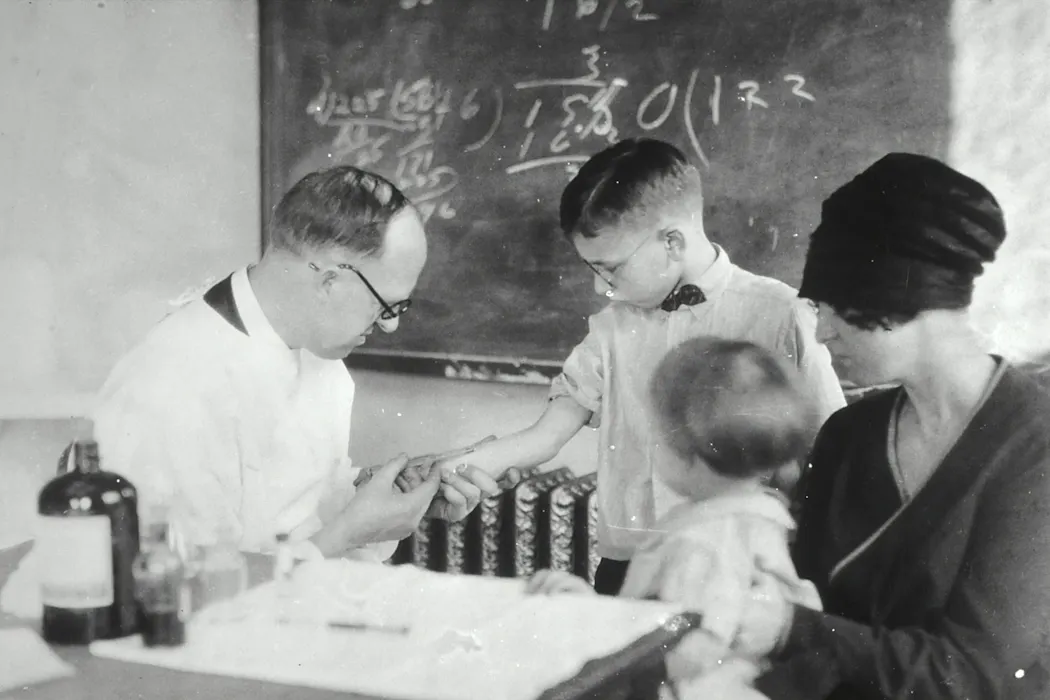
Diphtheria was once one of Australia’s most feared childhood infections, killing thousands of children before vaccines were available. Then for decades, it became so rare most doctors never saw a case.
That has now changed. Diphtheria has reappeared in parts of Australia, with cases reported in the Northern Territory, Western Australia, South Australia and Queensland.
In 2026, there have been just over 230 cases, largely in the Northern Territory, which makes this Australia’s biggest outbreak since national records began.
Today, the federal government announced a A$7.2 million package to respond to the outbreak.
But diphtheria is just the latest infectious disease to make a comeback in Australia.
Read more: Australia is battling its worst diphtheria outbreak in decades. But vaccines could curb it
How things change
Once, diphtheria, measles, scarlet fever and whooping cough were feared diseases. But in two generations, improved living conditions, better sanitation and vaccination means these and other infectious diseases are no longer part of everyday life for most Australians.
But as we’re seeing, those gains can be fragile.
Public health experts use three different terms for reducing levels of disease. Control means bringing cases down to a low level through ongoing measures; elimination means stopping ongoing local transmission in a defined geographic area, such as a country or region; and eradication means removing a disease from the planet entirely.
As an example of elimination, the World Health Organization declared Australia measles-free in 2014. Eradication of a disease is much harder, and has been achieved for human disease only once – with smallpox in 1980.
But these achievements are not permanent. Infectious diseases can re-emerge when vaccination falls, surveillance weakens, living conditions deteriorate, or public health systems lose capacity.
Diphtheria
Several factors appear to be driving the current outbreak. One is declining childhood vaccination. National coverage of fully vaccinated children at 24 months fell below 90% in 2024 for the first time since 2016. The diphtheria vaccine is part of the routine childhood schedule, and falling coverage reduces population protection.
Immunity from childhood vaccination fades with age, which is why Australia recommends diphtheria boosters at ages 50 and 65 if you haven’t had a booster in more than ten years.
Another factor is housing and sanitation. Diphtheria spreads through respiratory droplets from coughs and sneezes, and through direct contact with skin sores. Both routes are more efficient in overcrowded housing, where conditions such as scabies are also common and provide entry points through broken skin.
In remote Aboriginal communities in the Northern Territory, 54% of houses were considered overcrowded, according to the latest available data.
Whooping cough
Whooping cough, or pertussis, was never eliminated in Australia, but vaccination kept it at relatively low levels for many years.
Then cases surged. Australia recorded more than 57,000 cases in 2024, the highest yearly total since national records began in 1991. This was followed by just over 25,000 cases in 2025.
Several factors probably contributed. COVID restrictions disrupted the normal epidemic cycle, reducing the low-level exposure that usually boosts immunity in vaccinated people. At the same time, immunity from both vaccination and prior infection naturally wanes over time.
When COVID restrictions lifted, the bacteria spread through a population with weaker-than-usual immunity. Infants too young to be fully vaccinated were especially vulnerable.
In Queensland, the number of babies under six months admitted to hospital with whooping cough more than doubled in 2024 compared to the previous year and at least one infant died.
Measles
Australia has seen several measles outbreaks in recent months, most linked to overseas travel. Between January and May 2026, about 100 cases were recorded nationally.
Most cases were among unvaccinated people or those with uncertain vaccination status, as is typically seen in measles outbreaks in Australia. Most of these were seeded by returning travellers from countries with active outbreaks, although Victoria has also recorded local transmission.
Measles remains one of the world’s most infectious diseases. Because measles spreads so easily, even relatively small declines in vaccination can allow outbreaks to take hold again.
About 95% of people in a population need to be immune to prevent sustained spread. But Australia’s second-dose coverage for the combined measles-mumps-rubella vaccine has slipped to 92.5% nationally since the pandemic.
Read more: Travelling overseas? You could be at risk of measles. Here’s how to ensure you’re protected
Syphilis
Not all resurgent diseases can be prevented by vaccines. Syphilis was once thought to be largely controlled in Australia after the widespread availability of penicillin and public health screening programs.
But over the past 15 years or so, infectious syphilis cases have risen sharply across urban, regional and remote Australia. The national notification rate has more than tripled over a decade.
The most alarming consequence has been the return of congenital syphilis, where infection passes from mother to baby during pregnancy. Between 2016 and 2024, Australia recorded 99 congenital syphilis cases and 33 infant deaths. More than half were Aboriginal or Torres Strait Islander babies.
Unlike measles, whooping cough or diphtheria, there is no vaccine against syphilis. Control depends on testing, rapid treatment, antenatal screening and access to culturally safe health care. Congenital syphilis can be prevented through early detection and treatment of syphilis in pregnant women and their partners.
However, delayed diagnosis, reduced access to sexual health services and broader social disadvantage have all contributed to the rise in syphilis cases.
Read more: Babies infected with syphilis are part of a growing tragedy – one that could be easily prevented
What have we learnt?
The same pattern appears repeatedly in public health. Disease control is not a one-off achievement. It depends on maintaining the systems that keep transmission low.
Vaccination remains one of the most effective public health measures ever developed. But vaccines work best alongside strong surveillance systems, rapid public health responses, accessible to primary care (such as GPs or via Aboriginal-led health clinics), safe housing and sanitation.
When those protections weaken, diseases that once seemed distant can return surprisingly quickly.
Authors: Adrian Esterman, Professor of Biostatistics and Epidemiology, Adelaide University

 Hashtag.net.au
