

How HD Plasma Cutting Supports Accurate Steel Fabrication
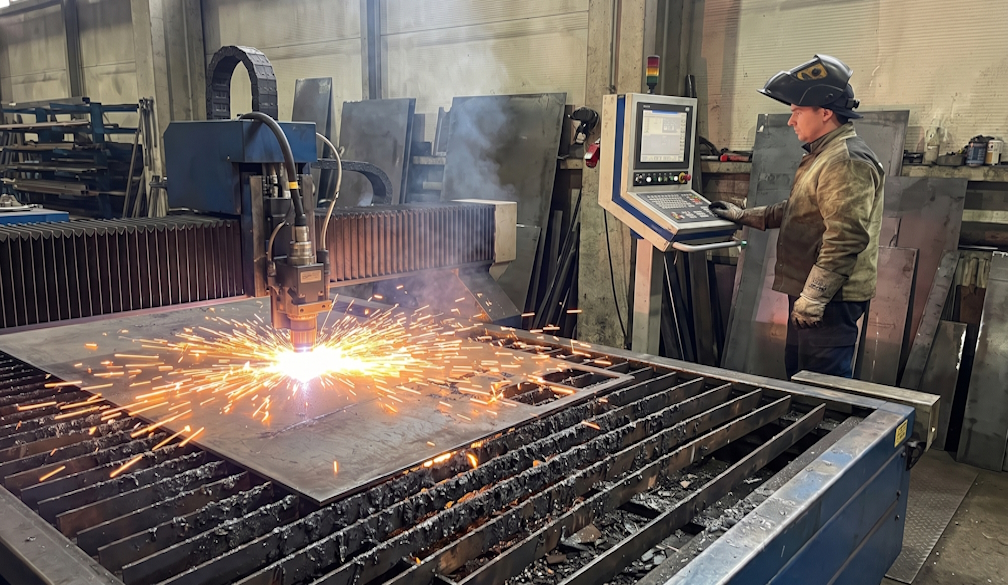
Steel fabrication often requires precise cutting to produce components that match specific dimensions and design requirements. The cutting method selected can influence edge quality, production efficiency and the amount of finishing required before the next fabrication stage. An HD plasma cutter can provide an effective option for businesses requiring accurate cuts across suitable steel materials. Australian Steel provides steel processing services for customers with different fabrication and manufacturing requirements.
Understanding Plasma Cutting
Plasma cutting uses a high-temperature plasma arc to cut electrically conductive metals. The process can produce clean, accurate cuts at relatively high speeds, making it suitable for a variety of industrial fabrication applications.
The cutting process involves directing a concentrated plasma arc through the material. As the arc moves along the programmed cutting path, it melts the metal while the resulting material is removed from the cut area.
Different machines and configurations can provide different capabilities, so the equipment should be selected according to the thickness, material and dimensions required for the project.
Why Cutting Accuracy Matters
Accuracy is important when steel components need to fit together during assembly. Inaccurate dimensions can create additional fabrication work and may require adjustments before a component can be used.
High-definition plasma cutting systems are designed to provide controlled cutting performance for suitable applications. Accurate cutting can help fabricators produce components according to specified dimensions and reduce the amount of manual finishing required.
For projects involving multiple identical parts, consistent cutting can also help maintain uniformity throughout production.
Choosing the Right Cutting Process
Not every steel fabrication project requires the same cutting method. Material type, thickness, component dimensions, production volume and required tolerances can all influence the appropriate process.
When evaluating plasma cutting, consider the characteristics of the material and the complexity of the required shapes. Plasma systems can be particularly useful for cutting conductive metals and producing components with a variety of profiles.
The cutting method should be selected according to the technical requirements of the project rather than simply based on speed or equipment availability.
Benefits for Fabrication Projects
One of the key advantages of an HD plasma cutter is its ability to produce detailed cuts while maintaining a high level of control. This can be useful when components include curves, openings, angles or other programmed shapes.
Accurate cutting can also support subsequent fabrication processes. When parts are produced to the required dimensions, assembly, welding and other operations can become easier to manage.
For businesses producing multiple components, repeatable cutting can contribute to a more consistent workflow and help reduce unnecessary manual adjustments.
Material Thickness and Cutting Requirements
The thickness of the steel being processed is an important consideration when selecting cutting equipment. Different plasma systems have different operating capabilities, so the machine needs to be appropriate for the material being cut.
Project requirements should identify the required thickness, dimensions and shape of each component before cutting begins. This information can help determine the most suitable cutting approach.
Accurate specifications are particularly important when large quantities of steel need to be processed. Planning the cutting requirements in advance by the HD plasma cutter can help reduce material waste and improve production efficiency.
Reducing Material Waste
Material utilisation is an important consideration in steel fabrication. Poorly planned cutting patterns can result in unnecessary offcuts and increase material costs.
Computer-controlled cutting can help fabricators plan component layouts more effectively. Multiple shapes can potentially be arranged within a sheet or plate according to the project requirements.
When combined with accurate measurements, plasma cutting can support more efficient use of available steel. Proper planning remains essential, as the final cutting layout should account for component dimensions, required spacing and the characteristics of the material.
Selecting an appropriate cutting method is an important part of efficient steel fabrication. Plasma cutting can provide a practical solution for suitable conductive metals where accurate profiles and consistent production are required.
Australian Steel provides high-definition plasma cutting services for customers with different fabrication requirements. By considering material type, thickness, component dimensions and production requirements, businesses can determine whether an HD plasma cutter is appropriate for their project.

 Hashtag.net.au


